When planning one of the most important days of your life – your wedding day, it is essential to understand the roles of the professional you hire, especially if you have chosen a destination wedding in Marbella. A lot of couples assume that a wedding planner and a wedding coordinator are the same thing – but they are wrong. They are responsible for different aspects, and choosing the right one can make your day even better!
So who is responsible for what? Let’s dive into it…
What Is a Wedding Planner?
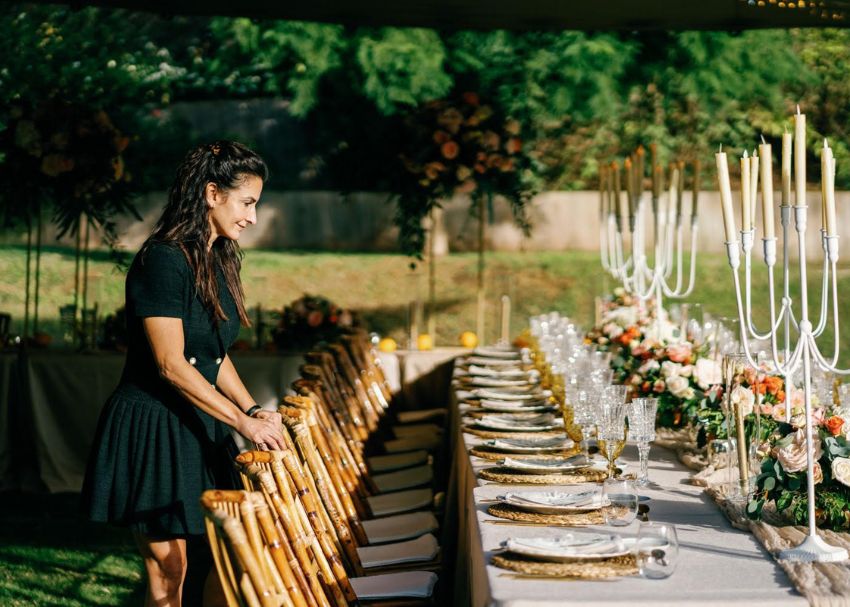
A wedding planner is your partner, logistics expert, project and crisis manager all in one! From the moment you begin to envision your dream wedding, a planner is there to guide you all along the way.
International couples planning a destination wedding in Spain rely on planners heavily, since they are the local professionals who know the market inside out.
Key Responsibilities of a Wedding Planner:

Concept & Design: Creating the overall aesthetic and theme for your wedding. Whether you’re envisioning a bespoke wedding or a grand celebration, your planner brings your vision to life.
- Venue Sourcing: Recommending and securing the perfect luxury wedding venue that aligns with your style, budget, and guest count.
- Budget Management: Helping you allocate your budget effectively and avoid unnecessary expenses.
- Supplier Coordination: Sourcing and managing all vendors such as caterers, florists, photographers, and entertainment.
- Timeline Creation: Building a detailed schedule from the early planning stages through to the wedding day.
- Guest Experience: Assisting with accommodation, transport, and activities—especially important for a destination wedding in Marbella.
- Legal Guidance: Advising on paperwork and requirements for getting married in Spain.
In essence, a luxury wedding planner handles the entire journey. They are deeply involved in every detail, ensuring consistency and quality to create a truly elevated experience.
What Is a Wedding Coordinator?
A wedding coordinator, or “on-the-day coordinator,” steps in much later in the process than the planner – usually a month before the event. Their role is focused on execution.
If you’ve already planned your wedding but want to ensure everything runs smoothly on the day, a coordinator is the right choice.
Key Responsibilities of a Wedding Coordinator:
- Final Timeline Management: Reviewing your plans and creating a detailed schedule for the wedding day.
- Supplier Liaison: Confirming arrangements with all vendors in the weeks leading up to the wedding.
- On-the-Day Oversight: Managing the flow of the event and staying close to the couple.
- Problem Solving: Handling any last-minute issues discreetly and efficiently.
- Guest Guidance: Assisting guests with directions, timing, and general support during the event.
Unlike a wedding planner, a coordinator does not typically assist with design but even though their involvement is short-term its crucial for ensuring a smooth event.
So - to sum it all up...
Choosing between a wedding planner and a wedding coordinator ultimately depends on how much support you need and how involved you want to be. A wedding planner is the right choice if you’re starting from scratch or planning a destination wedding, as they are involved from the very beginning—helping you with everything.
They manage the entire process from start to finish, provide ongoing support, and bring creative input to craft a fully bespoke and personalised wedding experience.
A wedding coordinator, on the other hand, is better suited for couples who have already planned their wedding and simply need someone to oversee the final stages. Typically stepping in 4–8 weeks before the wedding, they focus on logistics and execution rather than planning or design.
Their role is to ensure everything runs smoothly on the day, giving you peace of mind without the need for full-service planning. Ultimately, both roles are valuable—and understanding the difference allows you to choose the right level of support for your wedding journey.